Thread Basics: Why the Right Choice Matters
When you are learning the ultimate guide to thread types when to use cotton polyester or silk, it helps to remember that thread is not a tiny detail. The right thread affects stitch formation, seam feel, durability, and the overall look of your project. A good match can make sewing smoother and your finished piece more comfortable to wear or use. The wrong match can lead to puckering, lint, weak seams, or a finish that looks off.
For beginners, the goal is not to find one thread that works for everything. Cotton, polyester, and silk each have a place. Cotton is often a natural fit for cotton fabrics and traditional sewing. Polyester is the practical all-purpose option for many everyday projects. Silk is a refined choice for delicate fabrics and fine work.
Because machines and fabrics vary by model and manufacturer, always check your own machine’s manual for thread recommendations, needle compatibility, and tension guidance. That simple step can save time and help you avoid frustration, especially when you are trying a new fabric or a special project.
Cotton Thread: Best for Natural Fibers and Classic Sewing
Cotton thread is made from natural fibers, so it often pairs beautifully with cotton fabrics and other plant-based textiles. Many sewists like it for a soft, matte look that feels consistent with woven cotton, quilting cotton, and similar materials. If you want your thread to blend naturally into a project made from natural fibers, cotton is a comfortable place to start.
One of cotton thread’s main strengths is the way it handles in classic sewing. It usually presses well into seams and can create a tidy finish on projects where the fabric itself is also cotton. That makes it a popular option for quilting, simple garments made from cotton woven fabric, pillow covers, and table linens. The effect is clean and understated rather than glossy.
Cotton thread does have limits. It is generally less flexible than polyester, so it may not be the best choice for seams that need extra stretch or for fabrics that move a lot. It can also create more lint than some synthetic threads, which may mean a bit more cleaning depending on your machine and the thread quality. If you use cotton often, check your manual for any guidance on thread weight and maintenance.
Use cotton thread when you want a natural match, a classic finish, and dependable stitching on everyday projects. It is especially satisfying when the thread and fabric feel like they belong to the same material family.
Polyester Thread: Versatile, Strong, and Beginner-Friendly
Polyester thread is the workhorse many sewists reach for first. It is strong, flexible, and useful across a wide range of fabrics, which is why it is often recommended for general sewing. If you are building your first thread collection, polyester is usually the most practical choice because it can handle many projects without being overly fussy.
Its flexibility is one of its biggest advantages. Polyester has a little give, so seams can move with the fabric instead of fighting against it. That makes it helpful for garments that get regular wear, projects that are washed often, and fabrics that are blended or slightly stretchy. Even on many woven fabrics, polyester remains a reliable everyday option.
Another benefit is durability. Polyester thread is known for standing up well under typical sewing and use, which can be reassuring when you are still learning. If you are unsure what to choose, polyester is often a safe starting point for a broad range of fabrics. That said, it is still smart to confirm your machine manual’s recommendations before you begin.
Polyester may not always be the best choice when you want a fully natural look on cotton fabric or a softer, more traditional feel. Still, it is one of the most versatile threads you can own. For everyday sewing, it is often the easiest thread to reach for when you want strength, flexibility, and convenience in one spool.
Silk Thread: Smooth, Fine, and Ideal for Delicate Work
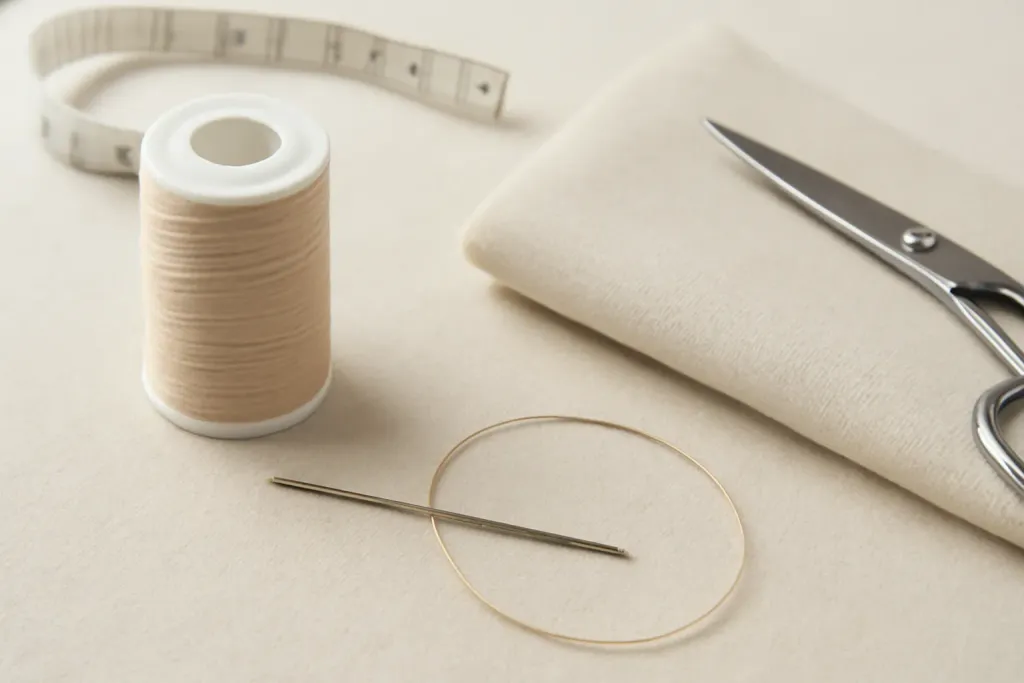
Silk thread offers a different sewing experience. It is smooth, fine, and often chosen for delicate fabrics or projects where a refined finish matters. When you want stitches that lie gently on the fabric and do not add unnecessary bulk, silk can be a beautiful option.
Because silk thread is so fine and smooth, it can be useful for lightweight fabrics and careful handwork. It is often selected when sewing with delicate fibers, when seam visibility should be minimal, or when the goal is elegance rather than heavy-duty strength. On the right project, it can make stitches feel almost invisible.
Silk is not usually the everyday default for beginner sewing, mainly because it is a specialty choice rather than a general-purpose one. It can also call for more attention to needle selection, tension, and fabric compatibility. For that reason, it is wise to consult your machine manual before using silk in a machine, especially if you are trying it for the first time.
If you are sewing a special garment or a fragile fabric, silk thread can be a thoughtful choice. It rewards careful handling and a patient pace, and it is best when you want a gentle, polished result.
Browse our recommended products
Our featured picks refresh periodically. While we update them, our editorial guides can help you find the right pick.
See our guidesHow to Match Thread to Fabric and Project
The easiest way to choose between cotton, polyester, and silk is to start with the fabric. Cotton thread often works well with cotton and other natural fabrics. Polyester is the flexible all-rounder for many garments and everyday seams. Silk is usually reserved for delicate fabrics and refined finishes.
Project purpose matters too. If you are sewing a quilt top, a cotton table runner, or a decorative pillow, cotton thread may feel like the most natural fit. If you are making a blouse, skirt, tote bag, or another project that will be used often and washed regularly, polyester often gives the best balance of strength and flexibility. If the fabric is fragile or very fine, silk can help preserve a light, graceful appearance.
Color matching is another useful habit. Thread does not need to match perfectly every time, but it should usually blend well enough that it does not distract from the fabric. A slightly darker or lighter shade can still look harmonious, especially in topstitching or visible seams. If you are unsure, test a seam on a scrap of the same fabric before sewing the final piece.
Let the fabric lead the decision whenever possible. Over time, thread choice becomes less about memorizing rules and more about learning what gives each project the finish you want.
Thread Weight, Tension, and Machine Setup Tips
Once you have chosen the fiber, thread weight and machine setup still matter. Thread weight affects how the stitches look and how smoothly the thread moves through the machine. A heavier thread can stand out more, while a lighter thread may blend in better and create a finer seam. The right weight depends on your fabric, your project, and the look you want.
Tension also plays a part in stitch quality. If the thread and fabric are mismatched, you may notice loops, tight stitches, or puckering. That does not always mean the machine is at fault. Often it simply means the thread choice, needle, or tension needs adjustment. Test on scrap fabric before sewing the final piece so you can spot issues early.
Needle choice matters as well. A needle that is too small or too large can affect stitch formation and thread flow. Since machine brands and models vary, your manual is the best source for recommended needle sizes, thread types, and threading order. Following those instructions is one of the easiest ways to keep sewing smooth and beginner-friendly.
It is also smart to keep the thread path clean and avoid forcing thread through the machine. If something feels off, stop and re-thread carefully instead of pushing ahead. Simple maintenance and test stitching go a long way. Never attempt internal machine repairs or any electrical work beyond what your manual specifically covers.
Quick Guide: When to Use Each Thread Type
- Choose cotton thread when you want a natural match for cotton fabrics, quilting cotton, or classic home sewing projects with a soft matte finish.
- Choose polyester thread when you want one thread that can handle many fabrics, everyday garments, and projects that benefit from strength and flexibility.
- Choose silk thread when you are sewing delicate fabrics, aiming for a refined finish, or working on fine construction where smoothness matters.
- Test on scraps first when you are unsure. A quick sample seam can tell you a lot about tension, texture, and appearance.
- Check your machine manual for thread and needle guidance, because the best setup can vary by machine model and manufacturer.
If you want the simplest beginner answer, polyester is usually the most flexible choice for everyday sewing. Cotton is the most natural match for cotton-based projects. Silk is the specialty option for delicate or elegant work. Each has a place, and none of them is universally right or wrong.
If you are just starting out, a small starter kit is often enough. A few neutral polyester spools can cover most general sewing. Add cotton spools if you sew a lot of cotton fabrics, and keep silk on hand only if you know you will use it for delicate projects. That keeps your supplies manageable while still giving you room to grow.
As you sew more, you will notice patterns in what you make. Maybe you reach for cotton most often because you enjoy quilting or home projects. Maybe polyester becomes your everyday go-to because you sew garments and accessories. Maybe you keep silk for special pieces that need a softer finish. Over time, those habits help you build a collection that fits your real sewing life.
In the end, the best thread is the one that suits your fabric, supports your machine, and helps you enjoy the process. Cotton, polyester, and silk each bring something useful to the table, and learning when to use them is one of the most valuable skills you can develop as a sewist.