Why Comparing 45mm Rotary Cutter Blades Matters
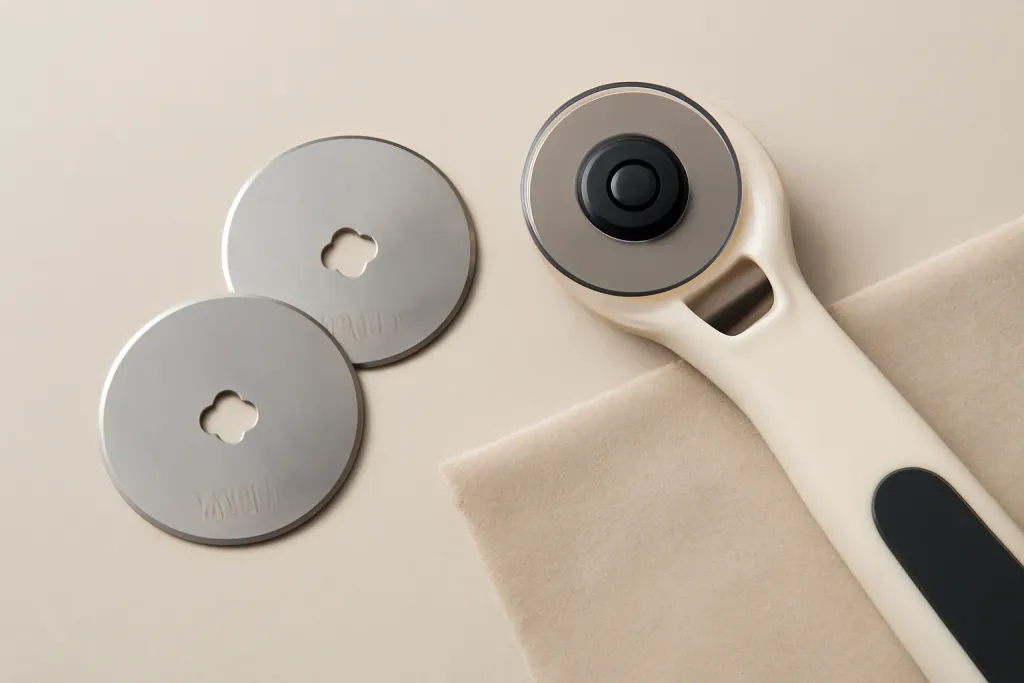
When you start comparing 45mm rotary cutter blades, it can feel like every option promises cleaner cuts, longer life, and easier sewing. The truth is that the best blade for you depends on what you cut most often, how often you sew, and how much pressure you like to use with your rotary cutter. A blade that feels wonderful on cotton may not be the one you prefer for thicker quilting layers or specialty materials.
For beginners, the main goal is not to find a single “perfect” blade. It is to learn how blade type, edge style, and material affect your cutting experience. That makes shopping simpler and helps you avoid buying replacements that do not match your projects. It also helps you develop safer habits, because a sharper, better-matched blade usually requires less force to make a clean cut.
Before choosing any blade, check your rotary cutter model and the manufacturer’s instructions. Blade compatibility can vary by brand and cutter design, and a size that looks similar may not fit properly. Sewing machines also differ by model and manufacturer, so if your cutting process is part of a larger sewing workflow, always follow the manual for your specific equipment.
Blade Materials and What They Mean
One of the first things to look at when comparing 45mm rotary cutter blades is the blade material. Most blades are made from stainless steel, high-carbon steel, or a coated version of one of those metals. Each option can feel a little different in use, even when the size is the same.
Stainless steel blades are often appreciated for everyday cutting because they can resist corrosion better than some other metals. They may be a practical choice if you want a dependable blade for general sewing tasks and do not want to think too much about special care. High-carbon steel blades are often valued for edge retention and a crisp cutting feel, though they can require more attention to storage and handling to help limit rust.
Some blades have special coatings that are meant to improve glide or durability. These coatings can be helpful when you are cutting repeatedly through fabric layers, but results still depend on your fabric, mat, and cutting style. A coated blade is not automatically better for every project. It is simply another feature to consider.
If you are new to rotary cutting, a straightforward stainless or high-carbon steel blade may be easier to compare than a specialized option. Start simple, then notice how the blade performs on the fabrics you use most. That hands-on experience is often more useful than trying to guess from the label alone.
Standard vs. Specialty Edge Shapes
Another important part of comparing 45mm rotary cutter blades is the edge shape. The standard round blade is the most familiar and is usually the best starting point for general sewing. It is designed for straight cuts, long cuts, and everyday quilting tasks. If you are just learning, this is usually the safest and simplest style to begin with.
Specialty blades are designed for different effects or materials. Some are described as wave, pinking, skip, or decorative styles. These blades do not replace a standard blade for most work, but they can create different edges or help with niche projects. A pinking-style blade, for example, can change the cut edge for certain fabric uses, while a wave blade can add texture to the edge.
Specialty edges are worth considering only after you know what you want them to do. If your main goal is clean piecing, quilting, or fabric preparation, a standard blade will usually be the most useful choice. Decorative blades can be fun, but they are more of a project-specific tool than a universal one.
Also keep in mind that some specialty blades may feel more demanding to use. If a blade requires extra pressure, it can make cutting less comfortable and less accurate. When possible, choose the blade that lets you cut smoothly with the least effort.
Sharpness, Cut Quality, and Fabric Type
Sharpness is one of the biggest factors in comparing 45mm rotary cutter blades, but it is also one of the hardest to judge from a package. A sharp blade should glide through fabric without snagging, fraying, or requiring repeated passes. If you notice skipped fibers or a dragged edge, the blade may already be dull for your project, or it may simply not suit the material well.
Different fabrics respond differently to the same blade. Woven cotton is usually straightforward and can be a good test fabric for learning blade feel. Batting, flannel, denim, leather-like materials, and multiple layered fabrics often ask more of the blade. In those cases, a blade that feels fine on a single layer may feel much less effective on a thicker stack.
For beginners, it helps to compare blades based on the fabric you cut most often rather than on broad claims. If you primarily quilt with cotton, you may want a blade that feels clean and precise on multiple cotton layers. If you sew garments or home projects with a mix of light and medium fabrics, a blade with smooth, reliable performance may matter more than a specialty feature.
One of the best habits is to cut with a light, steady motion and replace blades when the cut begins to feel rough. Forcing a dull blade can lead to uneven edges and can make the work less comfortable. A fresh blade often improves accuracy right away.
Browse our recommended products
Our featured picks refresh periodically. While we update them, our editorial guides can help you find the right pick.
See our guidesDurability and How Long a Blade Lasts
Durability is another major topic when comparing 45mm rotary cutter blades, but it is not an exact science. How long a blade lasts depends on the fabric you cut, the surface under the fabric, your pressure, the cutting mat condition, and how often you use the tool. Two people can use the same blade and get very different results.
A blade that holds its edge longer can be convenient, especially if you sew often. Still, long-lasting performance is only helpful if the blade also cuts cleanly and feels comfortable in your hand. Some blades stay sharp for a long time but may not feel as smooth on certain materials. Others may give excellent first cuts but require replacement sooner.
It can help to think about durability in terms of your own habits. If you sew occasionally, you may care more about a blade that stores well and cuts reliably when you need it. If you sew often, edge retention may matter more because you want fewer interruptions and less waste from dull cuts.
Replacing a blade before it becomes frustrating can improve both accuracy and safety. Dull blades need more force, and more force can make the cutter harder to control. If your cuts start looking fuzzy or uneven, that is a sign to reassess the blade rather than pushing it harder.
Compatibility and Cutter Fit
Not every 45mm blade fits every rotary cutter in exactly the same way, so compatibility should be part of the comparison process. Even when a blade is labeled as 45mm, the center hole shape, washer setup, and cutter design may vary by brand. That means the safest and smartest step is to check your rotary cutter’s manual or product instructions before buying replacements.
If you use a rotary cutter from a well-known brand, the packaging or listing should usually indicate which cutters it is intended for. Still, it is best not to rely on size alone. A blade that seems close enough may not sit correctly in the cutter, and poor fit can affect cutting quality.
It is also a good idea to compare replacement blade packaging for practical details such as blade edge style, material, and whether the set includes a case or storage container. Storage matters because blades should be kept protected when not in use. Safe handling starts with keeping the edge covered and away from fingers, fabric scraps, and loose clutter.
If you are uncertain, use the manufacturer’s guidance rather than guessing. That habit can save money and help you avoid frustration, especially if you are new to rotary tools and still building confidence.
How to Compare Blades Without Overcomplicating It
Comparing 45mm rotary cutter blades becomes easier when you use a simple checklist. Start with the basics: blade material, edge style, and compatibility with your cutter. Then ask yourself what you cut most often, how often you sew, and whether you prefer a blade that feels extra smooth or one that focuses on durability.
You can narrow your choices by matching the blade to a single common project type. For example, if you mainly cut quilting cotton, look for a blade that is known for clean, precise cuts on multiple layers of woven fabric. If you cut mixed materials, prioritize all-around performance rather than a niche specialty edge.
It also helps to compare how much care the blade may need. Some blades may be simple to use and store, while others may benefit from careful drying, cleaning, or more protective storage. Keep in mind that all care instructions should follow the manufacturer’s recommendations for that specific blade and cutter.
If you are just starting out, resist the urge to buy the most specialized option first. A dependable standard blade often teaches you more about your own cutting preferences. Once you know what you want, it becomes easier to choose whether a specialty blade or a higher-durability option is worth trying.
Practical Buying Tips for Beginners
For beginners, the best approach to comparing 45mm rotary cutter blades is to keep the decision focused and practical. Begin with a standard blade from a trusted manufacturer that clearly states compatibility with your rotary cutter. If you are unsure, consult your cutter manual before purchasing. That one step prevents a lot of trial and error.
Choose a blade based on your most common fabric, not your rarest one. A blade that performs well on your everyday sewing projects will usually feel more satisfying than a specialty option that only works in a narrow range of situations. If you later discover a need for a decorative or task-specific blade, you can add that as a secondary tool.
Pay attention to the cutting experience rather than only the product description. A good blade should help you cut with less effort, cleaner edges, and steadier control. If you need to press hard or repeat cuts, that is a sign to rethink the blade, the mat, or both.
Finally, remember that rotary cutters are tools, and they work best when used thoughtfully. Keep the blade covered when not in use, replace dull blades promptly, and follow the guidance in your manual. With a little practice, you will get better at recognizing what makes one 45mm blade more suitable than another for your sewing routine.